

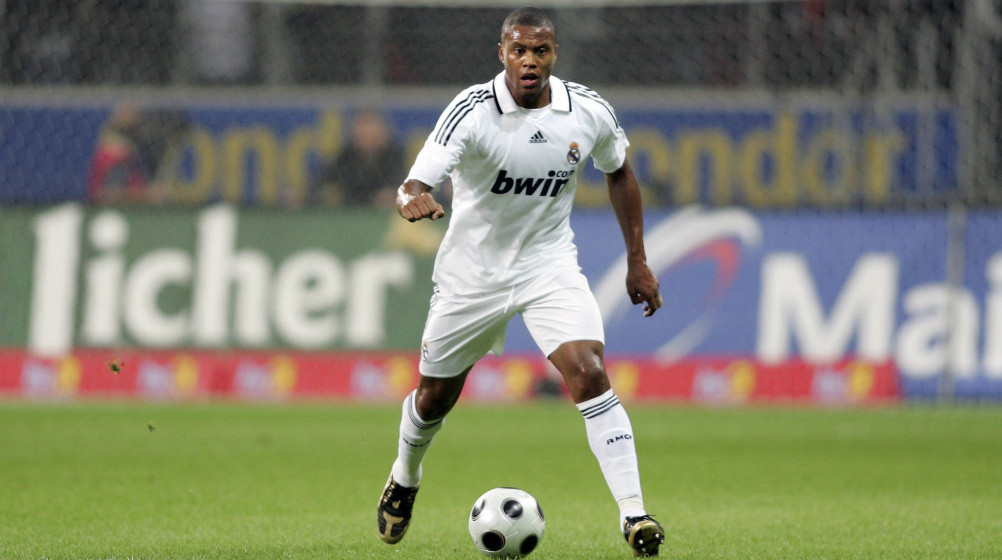
Júlio Baptista, often referred to as “The Beast,” is a name that resonates with football fans around the world. Born on October 1, 1981, in São Paulo, Brazil, Baptista’s journey from the streets of Brazil to the grand stages of European football is a story of talent, resilience, and remarkable achievements. Known for his powerful playing style, versatility, and knack for scoring crucial goals, Baptista has left an indelible mark on clubs and national teams throughout his career.
Early Life and Career Beginnings
Júlio Baptista grew up in a football-loving family, and his passion for the game was evident from a young age. He began his professional career at São Paulo FC, where he quickly made a name for himself as a talented midfielder. Baptista’s impressive performances in Brazil caught the attention of scouts across Europe, and it wasn’t long before he made the leap to one of the continent’s top leagues.
Rise to Prominence in Spain
In 2003, Baptista signed with Sevilla FC in La Liga, where he truly began to flourish. His time at Sevilla was marked by an impressive run of form, including a standout performance in the 2006 UEFA Cup Final, where he played a crucial role in helping the team secure victory. Baptista’s ability to score from midfield and contribute defensively made him a valuable asset for the team.
During his tenure at Sevilla, Baptista won several trophies, including the UEFA Cup and the Copa del Rey, cementing his status as a key player in the club’s history. His contributions were pivotal in transforming Sevilla into a competitive force in both Spanish and European football.
A Move to the Premier League
Baptista’s success in Spain led to a high-profile transfer to Arsenal FC in 2006. Initially brought in on loan, he became part of an exciting squad featuring stars like Thierry Henry and Cesc Fàbregas. Though he faced challenges adapting to the Premier League, Baptista had moments of brilliance, including a memorable four-goal haul against Liverpool in the League Cup. His versatility allowed him to play in various positions, from attacking midfielder to forward, showcasing his adaptability.
However, Baptista’s time at Arsenal was relatively short-lived, and after just one season, he returned to Spain to play for Real Madrid. At Madrid, he continued to demonstrate his skills and contributed to the team’s successes in La Liga.
International Career with Brazil
Júlio Baptista also made his mark on the international stage. He earned his first cap for the Brazil national team in 2003 and was part of the squad that won the 2009 FIFA Confederations Cup. Baptista’s physicality, technical ability, and experience made him a valuable player for Brazil during his international career, where he was involved in various tournaments, including the Copa América.
Later Career and Legacy
After his stints in Europe, Baptista returned to Brazil to play for clubs such as Cruzeiro and Fluminense. He continued to showcase his skills and leadership, helping to mentor younger players and contribute to the development of Brazilian football.
In 2019, Baptista announced his retirement from professional football, closing a chapter on a remarkable career. His journey from São Paulo to the top of European football is a testament to his hard work, dedication, and passion for the game.
Júlio Baptista’s legacy extends beyond his playing days. He is remembered for his charismatic personality, commitment to the sport, and contributions to every team he played for. He has become an inspiration for many young Brazilian players aspiring to make their mark on the world stage.
Conclusion
Júlio Baptista’s impact on football is undeniable. From his explosive performances in La Liga to his memorable moments in the Premier League and international competitions, he has left an unforgettable mark on the sport. As he moves into the next chapter of his life, Baptista remains a beloved figure in the football community, and his story continues to inspire future generations of players.