

“`html
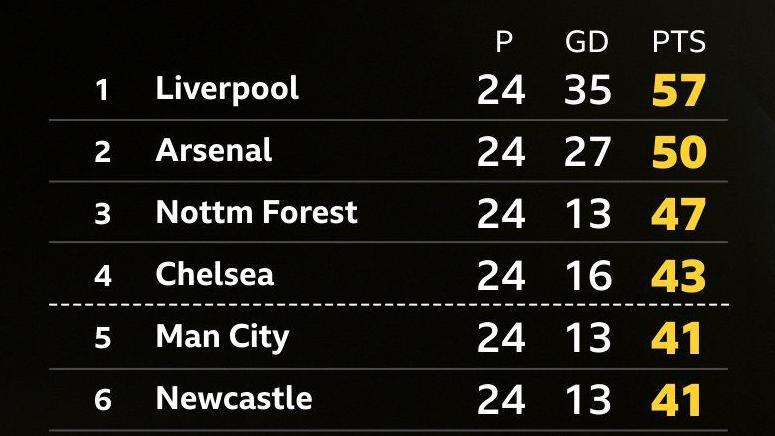
PREMIER LEAGUE MAYHEM: Top Teams TORN APART!
Introduction
The roar of the crowd, the electrifying pace, the nail-biting finishes – that’s what we live for in the Premier League. But lately, beneath the surface of the beautiful game, a different kind of drama has been unfolding. It’s not about stunning goals or controversial penalties; it’s about the very foundations of our top teams being shaken. Forget individual losses; we’re talking about systemic weaknesses, squad imbalances, and tactical breakdowns that are threatening to unravel the carefully constructed empires of some of the Premier League’s giants.
Have you noticed it too? That creeping sense of unease watching your favorite team struggle, not just against a top-tier opponent, but against supposedly weaker sides? The feeling that something isn’t quite right, that the magic that once defined them has faded? This isn’t just a bad patch of form; it’s a full-blown crisis brewing, and the fallout could reshape the Premier League landscape for years to come.
So, what’s causing this Premier League pandemonium? And more importantly, what can these teams – and your own fantasy football team – do to navigate this turbulent storm? Let’s dive in.
The Root of the Rot: Where Did It All Go Wrong?
Several factors are contributing to this widespread malaise amongst the league’s elite.
- The Relentless Schedule:Let’s face it, modern football is brutal. The constant barrage of Premier League games, coupled with Champions League or Europa League commitments, international breaks, and domestic cup competitions, leaves players physically and mentally drained. This leads to increased injuries, inconsistent performances, and a lack of sharpness that can expose tactical flaws. We’ve seen this with teams like Manchester City, who, despite their incredible depth, have occasionally looked sluggish and uninspired after a Champions League week.
- Tactical Stagnation:The Premier League is a constantly evolving tactical battlefield. Teams that were once lauded for their innovative approaches are now being dissected and countered by astute managers. Think about Liverpool’s high-pressing game, once a force of nature. Opponents have learned to bypass the press, exploit the space behind the fullbacks, and nullify their attacking threat. Complacency breeds stagnation, and stagnation breeds losses.
- Squad Imbalances:It’s not enough to have a squad full of talented players; you need the *right* players in the *right* positions, forming a cohesive and well-balanced unit. Several teams are struggling with glaring weaknesses in key areas. Perhaps a lack of defensive cover, a dearth of creative midfielders, or an over-reliance on a single striker. Arsenal, for example, have struggled to consistently find a reliable goalscorer outside of their main striker, leaving them vulnerable when he’s marked out of the game or injured.
- Mental Fatigue & Pressure:Playing under the intense scrutiny of the Premier League spotlight can take a toll on even the most seasoned professionals. The pressure to perform, the constant media attention, and the social media scrutiny can lead to anxiety, self-doubt, and a dip in performance. This is particularly evident in younger players who are still learning to cope with the demands of top-level football.
Short-Term Pain, Long-Term Consequences:
The immediate effects of this “Premier League Mayhem” are obvious: dropped points, frustrated fans, and a downward spiral in the league table. But the long-term consequences can be far more damaging.
- Missed Opportunities:Failing to qualify for the Champions League or Europa League can have a significant impact on a club’s finances and reputation, making it harder to attract top talent and compete at the highest level.
- Erosion of Confidence:A prolonged period of poor form can erode the confidence of players and the belief in the manager’s vision. This can lead to a toxic atmosphere within the dressing room, making it even harder to turn things around.
- Managerial Instability:In the cutthroat world of the Premier League, underperforming managers are often the first to pay the price. But sacking a manager is not always the answer, as it can disrupt the team’s rhythm and create further instability.
- Shifting Power Dynamics:When traditionally strong teams falter, it creates an opportunity for ambitious challengers to rise. We’ve seen this in recent years with teams like Leicester City and West Ham, who have capitalized on the struggles of the established elite to break into the top four.
Turning the Tide: Practical Solutions for a Premier League Revival:
So, how can these teams navigate this turbulent period and get back on track? Here are some practical, applicable, and easy-to-understand solutions:
- Prioritize Player Welfare & Rotation:Managers need to be smarter about managing their players’ workloads. This means rotating the squad effectively, giving key players sufficient rest, and utilizing sports science to monitor fatigue levels and prevent injuries.
- Example:Pep Guardiola at Manchester City is a master of squad rotation, often fielding different starting lineups in consecutive games to keep his players fresh.
- Tactical Refresh: Adapt or Die:Sticking to the same tactical blueprint, regardless of the opposition, is a recipe for disaster. Managers need to be flexible and adaptable, adjusting their tactics to exploit their opponents’ weaknesses and neutralize their strengths.
- Case Study:Thomas Tuchel’s arrival at Chelsea saw an immediate tactical shift, with the introduction of a 3-4-3 formation that transformed their defensive solidity and attacking potency.
- Address Squad Imbalances: Strategic Signings:Identifying and addressing squad imbalances through targeted signings is crucial. This doesn’t necessarily mean spending exorbitant sums of money; it means finding players who can fill specific roles and complement the existing squad.
- Example:Liverpool’s acquisition of Virgil van Dijk, a commanding center-back, instantly transformed their defense and provided the platform for their subsequent success.
- Foster a Positive Mental Environment: Build Resilience:Creating a positive and supportive environment within the dressing room is essential for building resilience and overcoming adversity. Managers need to be strong leaders, fostering a culture of trust, communication, and mutual respect.
- Example:Jurgen Klopp at Liverpool is renowned for his ability to create a strong sense of team spirit and camaraderie, which has been instrumental in their success.
Alternative Approaches: A Smorgasbord of Solutions
Here are some additional, alternative solutions that teams can explore:
- Youth Development:Investing in youth development academies can provide a steady stream of talented players who are already familiar with the club’s culture and playing style.
- Data Analytics:Utilizing data analytics to identify hidden patterns and trends can provide valuable insights into player performance, opponent weaknesses, and potential tactical adjustments.
- Sports Psychology:Employing sports psychologists can help players manage pressure, overcome anxiety, and improve their mental resilience.
- Collaboration and Communication:Fostering better communication and collaboration between players, coaches, and the board can ensure that everyone is aligned on the club’s goals and strategy.
Conclusion: A League of Opportunity
The Premier League Mayhem might seem daunting, but it’s also an opportunity. An opportunity for teams to learn from their mistakes, adapt to the changing landscape, and emerge stronger and more resilient. By prioritizing player welfare, refreshing their tactics, addressing squad imbalances, and fostering a positive mental environment, these teams can turn the tide and reclaim their place at the top of the Premier League hierarchy.
This isn’t just about winning trophies; it’s about building a sustainable and successful future for their clubs. It’s about embracing innovation, fostering resilience, and creating a culture of excellence that will inspire players, fans, and the entire footballing world.
The road ahead may be challenging, but with the right approach, the Premier League giants can navigate this turbulent storm and emerge stronger than ever before. So, keep the faith, support your team, and remember that even in the midst of mayhem, there is always hope for a brighter future. The Premier League is a league of opportunities, and it’s up to these teams to seize them.
“`