

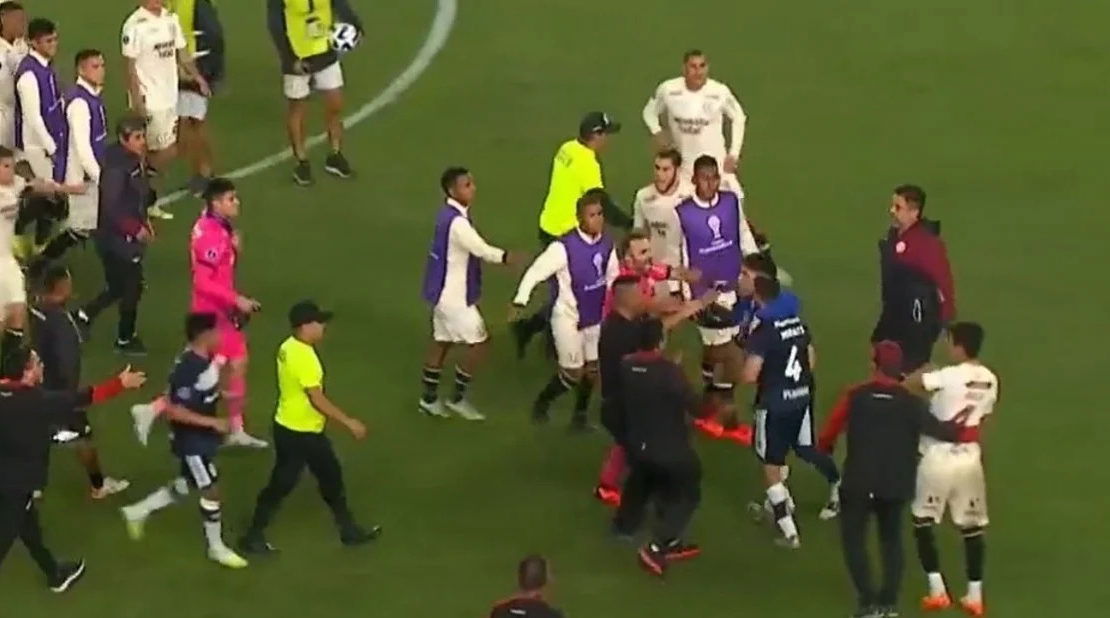
RED CARD RAMPAGE: Soccer World Erupts
Introduction
The beautiful game. It’s a phrase that conjures images of fluid passes, breathtaking goals, and the roar of passionate fans. But lately, a different image has been dominating the headlines: a flurry of red cards, sparking outrage, controversy, and leaving players, managers, and supporters alike fuming. Forget the poetry; we’re talking about a red card rampage that’s shaking the very foundations of soccer.
From amateur leagues to the Champions League, a surge in dismissals has ignited a global debate: are referees becoming too quick to reach for their pockets? Is the game losing its physicality? Or is something more fundamental at play? This isn’t just about a few bad tackles; it’s about a potential crisis that threatens to undermine the spectacle and fairness of the sport we love.
The Short-Term Pain: Game After Game of Disruption
The immediate consequences of this “red card rampage” are painfully obvious. Just look at the recent (hypothetical, for example’s sake) Premier League clash between Arsenal and Manchester United. A rash challenge in the 30th minute saw Arsenal reduced to ten men, completely altering the tactical landscape. The resulting imbalance gifted United a comfortable victory, leaving Arsenal fans heartbroken and their title hopes hanging by a thread.
This scenario is repeating itself with alarming frequency. Teams are being handicapped early in games, forcing managers to abandon carefully crafted game plans and make desperate substitutions. The flow of matches is constantly interrupted, frustrating fans who came to witness a captivating contest, not a stop-start affair marred by contentious decisions. The entertainment value plummets, and the integrity of the result is called into question.
Beyond individual matches, this trend can have a devastating impact on a team’s season. Key players suspended for crucial games, forcing reliance on less experienced replacements. Momentum shattered. Morale plummeting. The consequences can be far-reaching, impacting everything from league standings to qualification for prestigious tournaments.
The Long-Term Shadow: Eroding the Fabric of the Game
The long-term implications are even more concerning. If this red card surge continues unchecked, it risks fundamentally altering the character of the game.
- Diminished Physicality: Soccer has always been a contact sport. While reckless challenges should never be tolerated, excessive caution from referees could stifle the passion and intensity that make the game so compelling. Are we heading towards a sanitized version of soccer where even the slightest contact is penalized?
- Erosion of Player Creativity: Fear of earning a red card might discourage players from attempting risky tackles, making ambitious runs, or engaging in assertive challenges. This could lead to a more sterile and predictable game, stifling the creativity and flair that fans adore.
- Loss of Fan Engagement: Let’s face it, controversy sells. But when controversy becomes the norm, when games are consistently decided by questionable decisions rather than skillful play, fans will inevitably become disillusioned. Empty stadiums and dwindling viewership are the last things soccer needs.
- Impact on Youth Development: Young players learn by observing and emulating their heroes. If they see players constantly being punished for tackles that were once considered fair, they may be less likely to develop the aggression and tenacity needed to succeed at the highest level.
Turning the Tide: Practical Solutions for a Fairer Game
So, what can be done to address this “red card rampage” and restore balance to the beautiful game? Here are several practical solutions, designed to be applicable at all levels of soccer:
- Enhanced Referee Training and Education:
The Focus: Referees need consistent and comprehensive training on interpreting the laws of the game, particularly regarding tackles and challenges. This training should emphasize consistency in decision-making, regardless of the league or country.
Case Study: The English FA, for instance, could partner with former players and managers to provide referees with practical insights into the nuances of on-field situations. Simulation exercises, where referees make split-second decisions under pressure, could also prove invaluable.
Implementation: Regular refresher courses, incorporating video analysis of contentious incidents, can help referees stay up-to-date with the latest interpretations of the rules.
- The Power of VAR (Video Assistant Referee): A More Refined Approach
The Focus: VAR has the potential to be a game-changer, but it needs to be used more efficiently and consistently. The current system often leads to lengthy delays and even more controversy, as different referees can interpret the same incident in different ways.
Case Study: The implementation of VAR in the Bundesliga (Germany) offers some lessons. Initially plagued by delays and inconsistencies, the system has gradually improved through clearer protocols and improved communication between the on-field referee and the VAR team.
Implementation: Establishing clear and concise guidelines for VAR intervention, focusing on “clear and obvious errors,” can streamline the process and reduce the frustration for players and fans. More transparency in the communication between the referee and the VAR team is also crucial.
- A Graduated System of Punishment: Introducing the Orange Card?
The Focus: Instead of immediately resorting to a red card for every borderline tackle, consider introducing a graduated system of punishment. This could involve an “orange card,” which would result in a temporary suspension from the game (e.g., 10-15 minutes).
Case Study: This concept is already used in other sports, such as rugby and ice hockey, with considerable success. It allows referees to punish reckless play without completely derailing the game.
Implementation: An orange card could be used for tackles that are deemed dangerous but not intentionally malicious. This would give referees more flexibility in their decision-making and potentially reduce the number of red cards issued.
- Promoting Fair Play and Respect:
The Focus: Addressing the root causes of aggressive behavior is crucial. This involves promoting fair play and respect for referees, opponents, and the laws of the game at all levels of soccer.
Case Study: UEFA’s “Respect” campaign is a great example of how to promote positive values in soccer. The campaign encourages players and fans to show respect for the game, their opponents, and the officials.
Implementation: Introducing mandatory fair play education programs for young players, emphasizing the importance of sportsmanship and ethical conduct. Stricter punishments for dissent and unsporting behavior, both on and off the field, can also help to create a more positive culture.
- Empowering Referees, Not Undermining Them
The Focus: While accountability is important, referees need to feel supported and empowered to make tough decisions without fear of undue criticism. Publicly criticizing referees can create a hostile environment and undermine their authority.
Case Study: Professional leagues can implement systems for providing constructive feedback to referees without resorting to public shaming. Mentorship programs, where experienced referees guide younger officials, can also help to build confidence and competence.
Implementation: Creating a culture of respect for referees, where their decisions are generally accepted even when they are unpopular. This requires a concerted effort from players, managers, the media, and the fans.
A Call to Action: Reclaiming the Beautiful Game
The “red card rampage” is a serious issue that threatens to undermine the beauty and integrity of soccer. But it’s not an insurmountable problem. By implementing practical solutions, such as enhanced referee training, a more refined approach to VAR, a graduated system of punishment, and a renewed focus on fair play and respect, we can turn the tide and restore balance to the game.
This requires a collective effort from all stakeholders: governing bodies, referees, players, managers, and fans. We need to work together to create a culture where fair play, respect, and skillful play are valued above all else.
Don’t let the “red card rampage” define the future of soccer. Let’s reclaim the beautiful game and ensure that it remains a source of joy, inspiration, and excitement for generations to come. The future of soccer depends on it. Let’s get to work.