

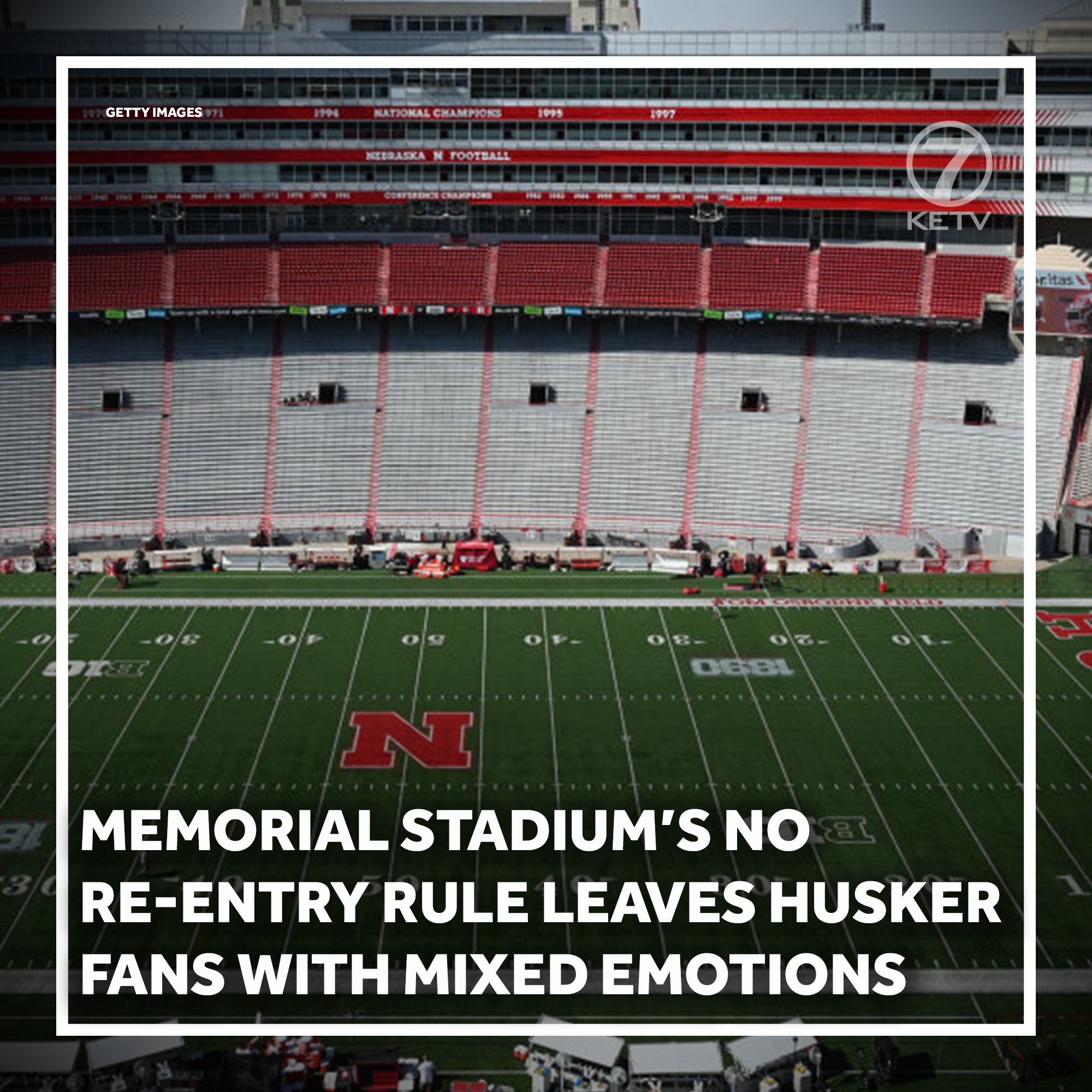
SCOREBOARD APOCALYPSE: Are We Witnessing the End of Sports as We Know It?
Introduction
Imagine this: the roar of the crowd, the tension in the air, the sweat dripping as the clock ticks down… except, the clock isn’t ticking. The scoreboard is blank. Nada. Zip. Just a digital void staring back at you. Sounds like a bad dream, right? Well, wake up, sports fans, because this digital disruption is a very real possibility, and it could be signaling more than just a temporary tech glitch – it might be a harbinger of a full-blown “Scoreboard Apocalypse” that reshapes the very fabric of the games we love.
We’re not just talking about malfunctioning scoreboards at your local little league field. Think bigger. Imagine this scenario affecting major sporting events, championships, and the entire experience for athletes, fans, and even the broadcasting world. What happens when instant replay is unavailable due to system outages? What happens when real-time stats and analytics vanish? What happens when the very essence of competition – knowing the score – is compromised?
This isn’t some far-fetched dystopian fantasy. The increasing reliance on technology in sports, while enhancing the fan experience and providing unparalleled insights, also makes us incredibly vulnerable. A single point of failure – a cyberattack, a power grid outage, a software glitch – can bring the entire operation grinding to a halt.
Explanation of the Problem
The Short-Term Hit: Disrupting the Game, One Glitch at a Time
Let’s face it, even minor disruptions are frustrating. Imagine being at a game where the scoreboard freezes for 15 minutes during a crucial moment. Annoying, right? But that’s just the tip of the iceberg. Short-term impacts can include:
- Game Delays and Suspensions: If the technology needed to track the game accurately malfunctions, officials might be forced to halt or even postpone the event. This not only disappoints fans but also throws a wrench into schedules and broadcasting plans.
- Compromised Accuracy: In fast-paced sports like basketball and hockey, every second counts. Inaccurate timekeeping or scoring can have a direct impact on the outcome, potentially leading to unfair results and disgruntled teams.
- Diminished Fan Experience: Let’s be honest, a huge part of the fun of attending a live sporting event is the immersion. Without the scoreboard, real-time stats, and instant replay, fans are left feeling disconnected and cheated out of the full experience.
- Gambling Chaos: With the rise of sports betting, real-time data is crucial. A “Scoreboard Apocalypse” could lead to confusion, disputes, and potentially even legal challenges.
The Long Game: Redefining Sports as We Know It
While short-term glitches are annoying, the long-term consequences of a systemic breakdown could be truly transformative – and not in a good way. We’re talking about:
- Erosion of Trust: If fans and athletes lose faith in the reliability of the technology underpinning the sport, it could damage the integrity and credibility of the game itself.
- Shift in Skill Emphasis: If real-time data and analytics are unavailable, there might be a shift back to relying more on subjective observation and intuition, potentially favoring athletes and teams with strong coaching and traditional skills.
- Increased Vulnerability to Manipulation: In a world where technology is unreliable, the potential for foul play increases. Without video evidence and accurate data, it becomes easier to manipulate scores or outcomes.
- Decentralization of Sports Consumption: If the broadcast experience is compromised, fans might turn to alternative forms of entertainment or participate in sports in different ways, perhaps focusing on local and community-based activities.
- Economic Fallout: From ticket sales and merchandise to broadcasting rights and sponsorship deals, the sports industry is a multi-billion dollar enterprise. A prolonged “Scoreboard Apocalypse” could have devastating economic consequences.
Solutions
So, What Can We Do? Practical Solutions to Avert Disaster
The good news is, this dystopian future isn’t inevitable. We can take proactive steps to mitigate the risks and ensure the long-term viability of the sports we love. Here are some practical solutions:
- Redundancy is Key: This seems obvious, but many systems lack sufficient backup plans. Ensure that every critical piece of technology – scoreboards, timing systems, communication networks – has multiple redundant backups that can be quickly activated in case of failure. For example, have a manual scoreboard and timing system available as a backup in case the electronic ones fail.
- Cybersecurity Hardening: Sports organizations need to invest heavily in cybersecurity to protect their systems from malicious attacks. This includes regular security audits, penetration testing, and robust firewalls.
- Case Study: The 2018 Winter Olympics in South Korea were targeted by a cyberattack that disrupted the opening ceremony and temporarily took down the event’s website. While the attack was ultimately contained, it highlighted the vulnerability of major sporting events to cyber threats.
- Decentralized Data Storage: Avoid relying solely on centralized servers. Explore decentralized data storage solutions, such as blockchain technology, to create a more resilient and secure system. Blockchain can be used to create a tamper-proof record of scores and other important data, making it more difficult to manipulate.
- Standardized Protocols and Interoperability: Develop standardized communication protocols for different sports technologies to ensure that they can seamlessly interact with each other. This reduces the risk of compatibility issues and makes it easier to switch between systems in case of failure.
- Emergency Response Training: Regularly train staff on how to respond to technology failures. This includes procedures for manual scoring, communication protocols, and contingency plans for different scenarios. Regular drills and simulations can help staff react quickly and effectively in a crisis.
- Community-Based Solutions: Encourage local and community-based sports organizations to adopt simpler, more resilient technologies that are less vulnerable to systemic failures. This could involve using traditional scoreboards, manual timing systems, and community-based communication networks.
- Invest in “Analog” Skills: Don’t forget the importance of traditional sports skills and knowledge. Encourage coaches and athletes to develop their intuition and decision-making abilities, even in the absence of real-time data.
- Diversification: Don’t put all your eggs in one basket, think about alternatives.
Choose Your Own Adventure: A Menu of Approaches
The best solution will depend on the specific context and resources available. Here’s a menu of approaches:
- The “Fort Knox” Approach: For major sporting events, invest heavily in redundancy, cybersecurity, and emergency response training to create a highly resilient and secure system.
- The “Community Shield” Approach: Focus on developing simpler, more resilient technologies and community-based solutions for local sports organizations.
- The “Back to Basics” Approach: Emphasize traditional sports skills and knowledge, and encourage coaches and athletes to develop their intuition and decision-making abilities.
- The “Hybrid” Approach: Combine elements of all three approaches to create a customized solution that fits your specific needs and resources.
Conclusion
The “Scoreboard Apocalypse” might sound like a dramatic title, but the underlying issue is very real. We are increasingly dependent on technology in sports, and that makes us vulnerable. By taking proactive steps to mitigate the risks, we can ensure that the games we love continue to thrive for generations to come.
Don’t wait for the scoreboard to go blank. Start planning now. Talk to your local sports organizations, advocate for cybersecurity investments, and encourage the development of resilient technologies. Together, we can avert the “Scoreboard Apocalypse” and build a more sustainable future for sports. The clock is ticking – let’s make sure it doesn’t run out on us.