

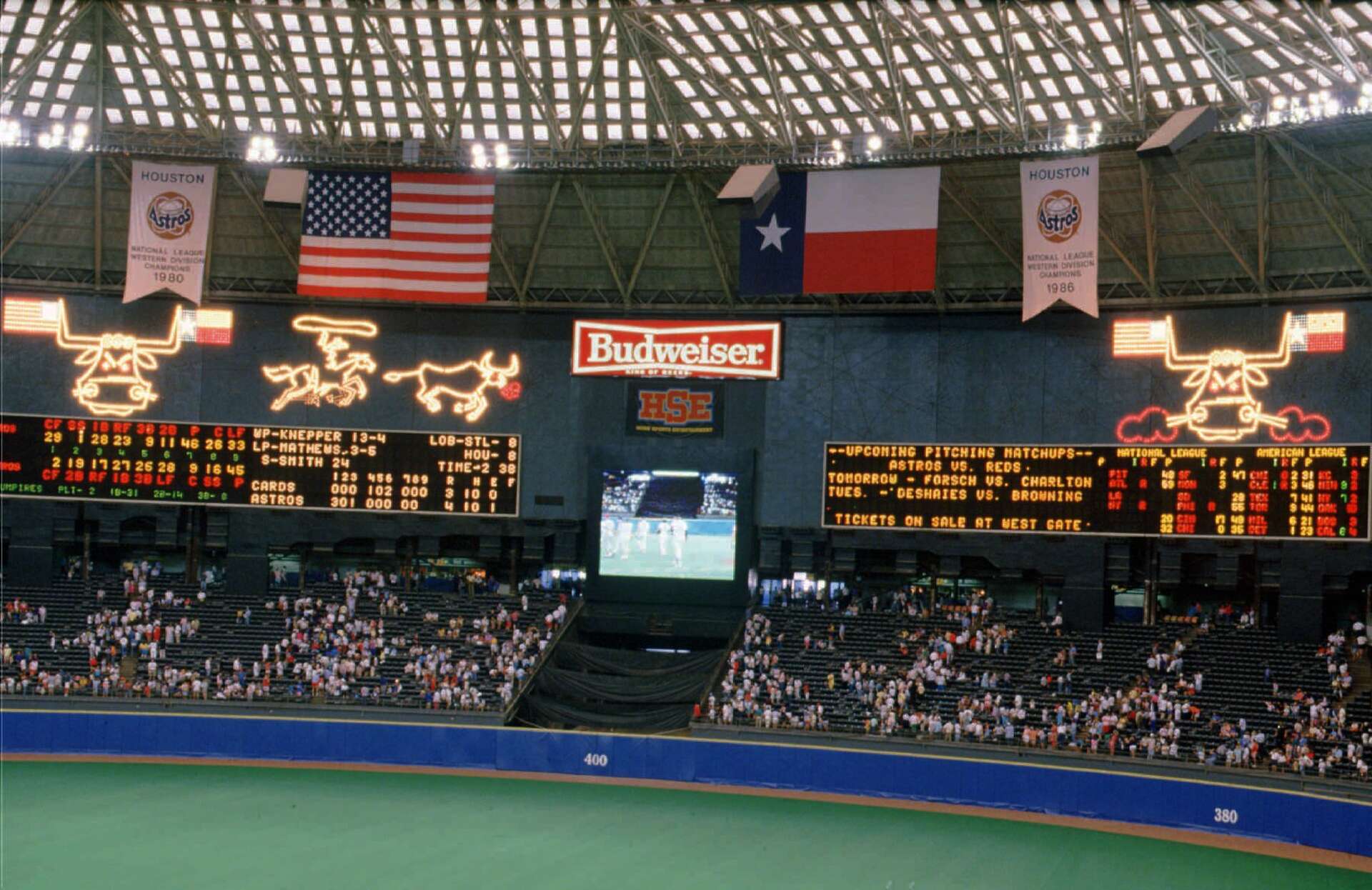
SCOREBOARD SMASH: Sports World Erupts
Introduction
The roar of the crowd. The nail-biting tension in the final seconds. The ecstatic celebrations. These are the hallmarks of the sports we love. But what happens when the games themselves, the very fabric of athletic competition, are threatened? The sports world is currently experiencing a tremor, a seismic shift that’s shaking its foundations, and it all boils down to one core issue: unsustainable practices. From environmental concerns to athlete welfare and financial imbalances, the cracks are widening, threatening to topple the scoreboard completely. This isn’t just about a few bad calls; it’s about a fundamental re-evaluation of how we play the game, both on and off the field.
Explanation of the Problem
So, why the eruption now? It’s a confluence of factors, a perfect storm brewing for years. Increasingly vocal athletes are speaking out about demanding schedules, inadequate support, and the pressure-cooker environment that pushes them to their limits. Fans, savvier than ever, are questioning the ethics behind sponsorships, the astronomical ticket prices, and the environmental impact of massive stadiums and constant travel. And lurking in the background, climate change casts a long shadow, threatening to disrupt events, impact training conditions, and even render some sports unplayable in certain regions.
The Short-Term Pain: A Bleeding Scoreboard
The immediate consequences of these unsustainable practices are already visible. We’re seeing:
- Athlete Burnout & Mental Health Crisis: The relentless pressure to perform, coupled with grueling schedules, is taking a devastating toll. Naomi Osaka’s brave stand against media obligations highlighted the mental health challenges faced by elite athletes. This isn’t an isolated incident; more and more athletes are acknowledging the immense strain, leading to burnout, injuries, and even premature retirement.
- Fan Disillusionment & Declining Attendance: Skyrocketing ticket prices, coupled with ethically questionable sponsorships (think fast food giants sponsoring youth sports) are alienating fans. The feeling that the game is more about profits than passion is driving some away. Empty seats are a stark reminder that the connection between teams and their communities is fraying.
- Environmental Impact: The sheer scale of sporting events is staggering. From the energy consumption of stadiums to the waste generated by concessions, and the carbon footprint of international travel, the environmental cost is immense. The 2022 FIFA World Cup in Qatar, with its air-conditioned stadiums in the desert, served as a glaring example of unsustainable practices.
The Long Game: A League of Their Own… That No One Can Afford or Attend
Ignoring these issues will have devastating long-term consequences:
- Erosion of Talent Pool: If young athletes are pushed too hard, too soon, many will simply drop out of sports. This diminishes the talent pool, leading to less competitive and engaging games in the future. Imagine a future where only the children of wealthy families can afford the training and resources needed to compete at a high level.
- Sport’s Irrelevance: If sports fail to address their social and environmental impact, they risk becoming irrelevant to future generations who are increasingly conscious of ethical consumption and environmental responsibility. They will be seen as relics of a bygone era, out of touch with the values of the modern world.
- Existential Threat from Climate Change: Rising temperatures, extreme weather events, and water scarcity pose a direct threat to many sports. Skiing, surfing, and even traditional field sports will become increasingly difficult or impossible in certain regions. The future of winter sports, in particular, hangs in the balance.
Solutions
The good news? It’s not too late to turn things around. But it requires a conscious jawabet88 rtp and concerted effort from leagues, teams, athletes, and fans alike. Here’s a playbook of potential solutions:
1. Championing Athlete Welfare:
- Reduced Schedules & Mandatory Rest: Leagues need to prioritize athlete recovery by implementing shorter seasons, limiting back-to-back games, and enforcing mandatory rest periods.
- Enhanced Mental Health Support: Teams should provide comprehensive mental health services, including access to therapists, counselors, and support groups. Create an environment where athletes feel comfortable seeking help without fear of stigma.
- Player-Centric Training Regimens: Move away from one-size-fits-all training programs and adopt personalized approaches that take into account individual needs, injury history, and mental well-being.
Example: The NBA has taken steps to address player fatigue by reducing the number of back-to-back games and implementing load management strategies. While controversial, these initiatives are a step in the right direction.
2. Environmental Responsibility: Greening the Game
- Sustainable Stadiums: Build new stadiums with eco-friendly materials, solar panels, and water conservation systems. Retrofit existing stadiums with energy-efficient lighting and waste reduction programs.
- Reduce Travel Emissions: Encourage teams to use public transportation, carpool, or fly direct whenever possible. Consider carbon offsetting programs for unavoidable travel.
- Waste Reduction & Recycling: Implement comprehensive recycling programs at stadiums and events. Reduce single-use plastics and promote the use of reusable containers.
Example: Forest Green Rovers, a small English football club, is recognized as the world’s first vegan football club. They serve plant-based food at their stadium, use organic pitches, and generate their own renewable energy.
3. Financial Fair Play: Leveling the Playing Field
- Salary Caps & Revenue Sharing: Implement stricter salary caps and more equitable revenue-sharing models to prevent a handful of wealthy teams from dominating leagues.
- Transparency & Accountability: Increase transparency in financial dealings and hold teams accountable for adhering to financial regulations.
- Community Investment: Encourage teams to invest in local communities through youth sports programs, educational initiatives, and charitable donations.
Example: European football has seen the introduction of Financial Fair Play regulations, aiming to prevent clubs from spending beyond their means and creating a more level playing field. While implementation has been imperfect, it demonstrates a commitment to financial sustainability.
4. Engaging Fans: Rebuilding the Connection
- Affordable Ticketing: Offer a range of ticketing options, including family packages, student discounts, and standing-room tickets, to make games more accessible to fans of all income levels.
- Ethical Sponsorships: Partner with sponsors who align with the values of the sport and prioritize ethical and sustainable practices.
- Fan Involvement & Dialogue: Create opportunities for fans to engage with teams and players through online forums, town hall meetings, and community events.
Alternative Approaches: A Menu of Options
The solutions outlined above are just a starting point. Here are some alternative approaches to consider:
- Shorten Seasons & Focus on Quality: Instead of prioritizing quantity, reduce the length of seasons and focus on delivering higher-quality, more meaningful games.
- Embrace Technology: Use technology to reduce travel, enhance fan engagement, and improve athlete performance. Virtual reality training, remote coaching, and online streaming can all contribute to a more sustainable and accessible sports ecosystem.
- Promote Grassroots Sports: Invest in grassroots sports programs to encourage participation at all levels. This will not only improve the talent pool but also foster a lifelong love of sports.
- Athlete Advocacy: Support athletes who speak out about social and environmental issues. Their voices can be powerful catalysts for change.
Conclusion
The sports world is at a crossroads. We can continue down the unsustainable path, pushing athletes to their limits, ignoring the environmental impact, and alienating fans. Or, we can choose a different path, one that prioritizes athlete welfare, environmental responsibility, and financial fairness. This path requires courage, innovation, and a willingness to challenge the status quo.
The “SCOREBOARD SMASH” is a wake-up call. It’s an opportunity to rebuild the game, to create a more sustainable and equitable sports ecosystem for future generations. It’s time to rewrite the rules, to invest in the long-term health of our athletes, our planet, and our communities. The game is not over; it’s just beginning. Let’s play it right.