

“`html
WORLD CUP CHAOS: SHOCK RESULT ROCKS FOOTBALL
Introduction
The roar of the crowd, the vibrant flags waving, the electric atmosphere – all instantly silenced. The improbable happened. The unthinkable became reality. A World Cup giant, heavily favored and brimming with confidence, fell. Not in a nail-biting penalty shootout, not after a grueling extra-time battle, but decisively, unequivocally, to a team nobody gave a chance.
We’re not just talking about a minor upset here. We’re talking about a seismic shockwave that’s reverberating throughout the entire footballing world. Forget the meticulously crafted predictions, the expert analyses, the carefully calculated odds. This result throws them all out the window and leaves us staring, slack-jawed, at the beautiful, chaotic unpredictability of the game we love. But what happens now? Beyond the initial disbelief and internet memes, this shock result triggers a ripple effect with both immediate and long-term consequences.
The Short-Term Fallout: A Rollercoaster of Emotions and Reactions
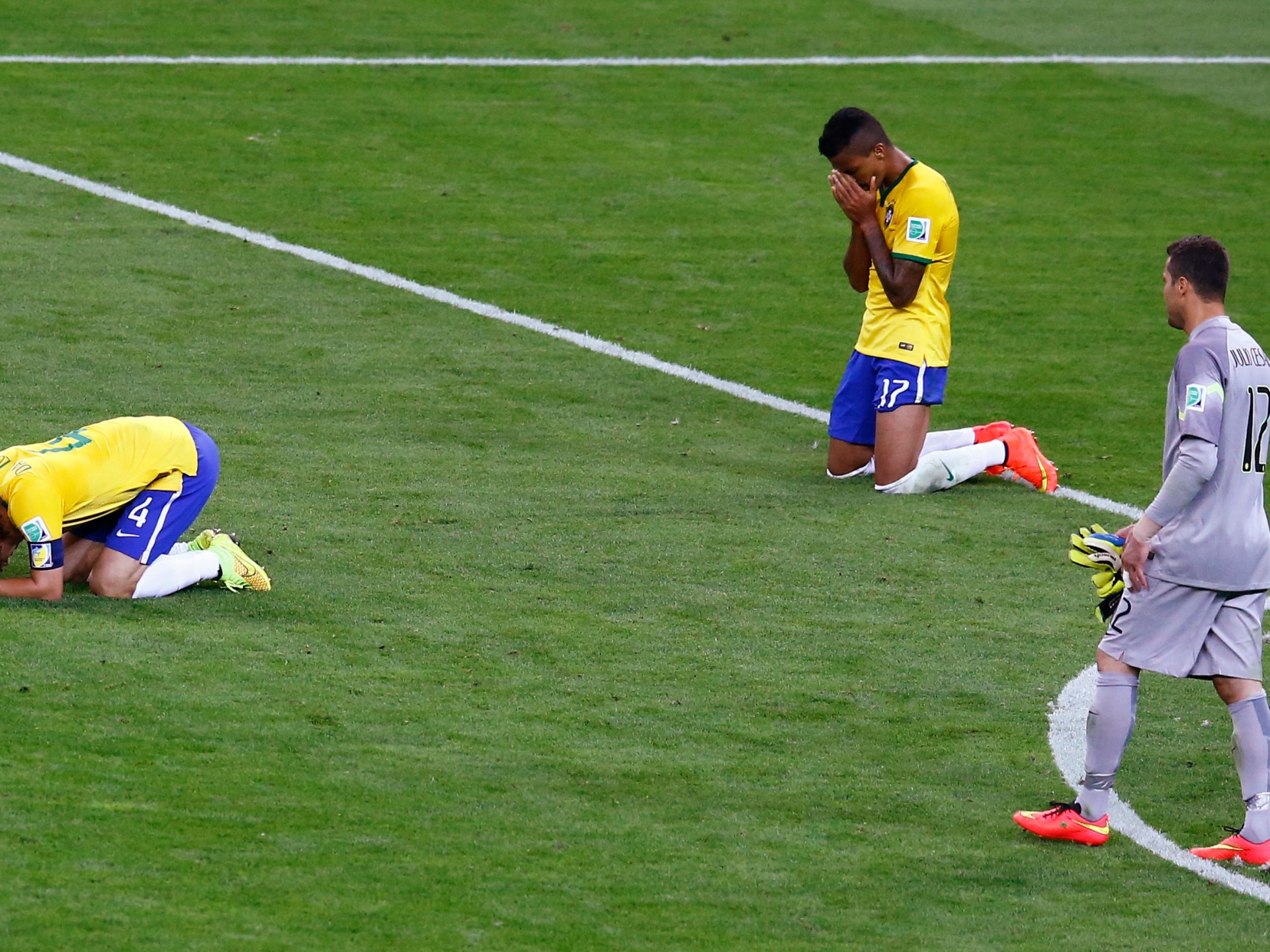
Immediately after the final whistle, the stadium becomes a battleground of emotions. Jubilation erupts from the victorious underdogs, a team suddenly propelled into the spotlight and carrying the hopes of a nation on their shoulders. For the fallen giants, however, it’s a descent into despair. Heads hang low, tears flow freely, and the weight of expectation crushes them under its immense pressure.
The short-term impact extends far beyond the stadium walls. Back home, the winning nation erupts in joyous celebrations, a carnival of national pride. Parades are planned, heroes are crowned, and the underdog story becomes instant folklore. Conversely, the losing nation enters a period of mourning. Questions are asked, fingers are pointed, and the coach’s job hangs precariously in the balance. Social media explodes with a mixture of gloating, commiseration, and downright disbelief.
More pragmatically, this shock result completely scrambles the tournament’s dynamics. Group standings are thrown into disarray, forcing teams to reassess their strategies and approach upcoming matches with renewed urgency. The path to the knockout stages becomes significantly more complicated, and the potential for further upsets skyrockets. Suddenly, the tournament feels wide open, and the pressure is on every single team.
The Long-Term Repercussions: Shifting Power Dynamics and Redefining Strategies
Beyond the immediate emotional and strategic consequences, this shock result can have profound long-term impacts on the world of football.
- Rise of the Underdog: This victory serves as an inspiration to smaller nations and emerging footballing powers. It proves that with the right tactics, dedication, and belief, anything is possible. This can lead to increased investment in youth development and infrastructure in these countries, ultimately leveling the playing field in the long run. Think of Costa Rica’s unexpected quarter-final run in the 2014 World Cup. It spurred a generation of young Costa Rican players and led to continued investment in their national program.
- Re-evaluation of Tactics and Strategies: When a heavily favored team loses, it forces coaches and analysts worldwide to re-examine their approaches. Are traditional powerhouses becoming complacent? Are new, more innovative tactics being overlooked? This result can lead to a period of experimentation and adaptation, as teams try to find new ways to gain a competitive edge. We saw this after Spain’s dominance in the late 2000s and early 2010s. Teams began to develop strategies to counter their “tiki-taka” style, leading to a more diverse range of tactical approaches.
- Increased Pressure on Established Players: This loss can be a wake-up call for established players, particularly those who may have been relying on reputation rather than performance. It highlights the importance of hard work, dedication, and constant improvement. Young players, seeing the vulnerability of their idols, may be emboldened to challenge for their places in the team.
- Changes in Sponsorship and Investment: Success on the world stage attracts attention and investment. The victorious underdog can expect a surge in sponsorship deals, increased funding for their football programs, and greater interest from international scouts in their players. Conversely, the losing nation may face a period of financial uncertainty, as sponsors reassess their investments and funding is potentially cut.
- Shifting Perceptions of Footballing Power: A shock result can challenge the established hierarchy in the world of football. It can erode the aura of invincibility surrounding traditional powerhouses and create opportunities for new teams to emerge as contenders. This can lead to a more competitive and dynamic landscape, where anything is possible.
Navigating the Chaos: Practical Solutions for Teams and Players
So, what can teams and players do to either capitalize on a shocking victory or recover from a devastating defeat? Here are a few practical solutions:
For the Victorious Underdog:
- Stay Grounded and Focused: It’s easy to get carried away by the euphoria of a major victory, but it’s crucial to remain grounded and focused on the task at hand. Celebrate the moment, but quickly shift your attention to the next challenge.
- Example: Leicester City’s Premier League triumph in 2016 was a fairytale story. However, they struggled to replicate that success the following season, partly due to distractions and inflated expectations. A team that manages to maintain its focus and work ethic after a major win is more likely to sustain its success.
- Exploit the Momentum: A shock victory can create significant momentum, both on and off the field. Use this momentum to your advantage by building confidence, fostering team spirit, and attracting new support.
- Actionable Step: Schedule team-building activities, engage with fans on social media, and use the positive media attention to promote your team and its values.
- Strategic Investment: The influx of funds and attention should be channeled strategically to strengthen the team for the future. Invest in youth development, improve infrastructure, and recruit talented players.
- Case Study: Iceland’s success in Euro 2016 led to increased investment in grassroots football and the construction of new indoor facilities, helping to develop a new generation of Icelandic players.
For the Fallen Giants:
- Honest Self-Reflection: The immediate aftermath of a shocking defeat is not the time for excuses or blame-shifting. It’s a time for honest self-reflection and critical analysis. Identify the weaknesses that were exposed and develop a plan to address them.
- Example: After their humiliating defeat to Germany in the 2014 World Cup semi-final, Brazil underwent a significant overhaul of their coaching staff and playing personnel. They recognized the need for change and took decisive action to rebuild their team.
- Rebuild Confidence: A devastating loss can shatter confidence and morale. It’s crucial to rebuild confidence by focusing on small victories, reinforcing positive attributes, and creating a supportive team environment.
- Actionable Step: Organize closed-door scrimmages, implement positive visualization techniques, and encourage open communication within the team.
- Tactical Adaptation: A shock defeat often reveals flaws in a team’s tactics or strategy. Use this as an opportunity to adapt and evolve. Experiment with new formations, introduce fresh ideas, and learn from your mistakes.
- Case Study: Following their early exit from the 2018 World Cup, Germany revamped their tactical approach under Joachim Löw, incorporating younger players and adopting a more dynamic style of play.
Alternative Solutions: Tailoring the Approach to Specific Circumstances
There’s no one-size-fits-all solution for dealing with the aftermath of a shock result. The best approach will depend on the specific circumstances of the team, the nature of the defeat, and the resources available.
- For teams with limited resources: Focus on grassroots development, scouting local talent, and fostering a strong team spirit.
- For teams with financial resources: Invest in world-class coaching, recruit top players, and develop state-of-the-art training facilities.
- For teams with a strong youth academy: Prioritize developing young talent, integrating them into the first team, and building a sustainable pipeline of future stars.
Conclusion: Embracing the Unexpected and Building a Brighter Future
A shock result in the World Cup is more than just a fleeting moment of drama. It’s a catalyst for change, a wake-up call, and an opportunity for growth. Whether you’re on the winning side or the losing side, the key is to embrace the unexpected, learn from the experience, and use it as fuel to build a brighter future.
For the underdogs, this is your moment to shine. Seize the opportunity, inspire the world, and rewrite the narrative of footballing power. For the fallen giants, this is a chance to reinvent yourselves, rediscover your passion, and prove that you can overcome adversity.
The world of football is constantly evolving, and the only constant is change. By embracing the unexpected, adapting to new challenges, and never losing sight of your goals, you can navigate the chaos and emerge stronger than ever. So, go out there, play with heart, and make your mark on the beautiful game. The next chapter is yours to write.
“`