

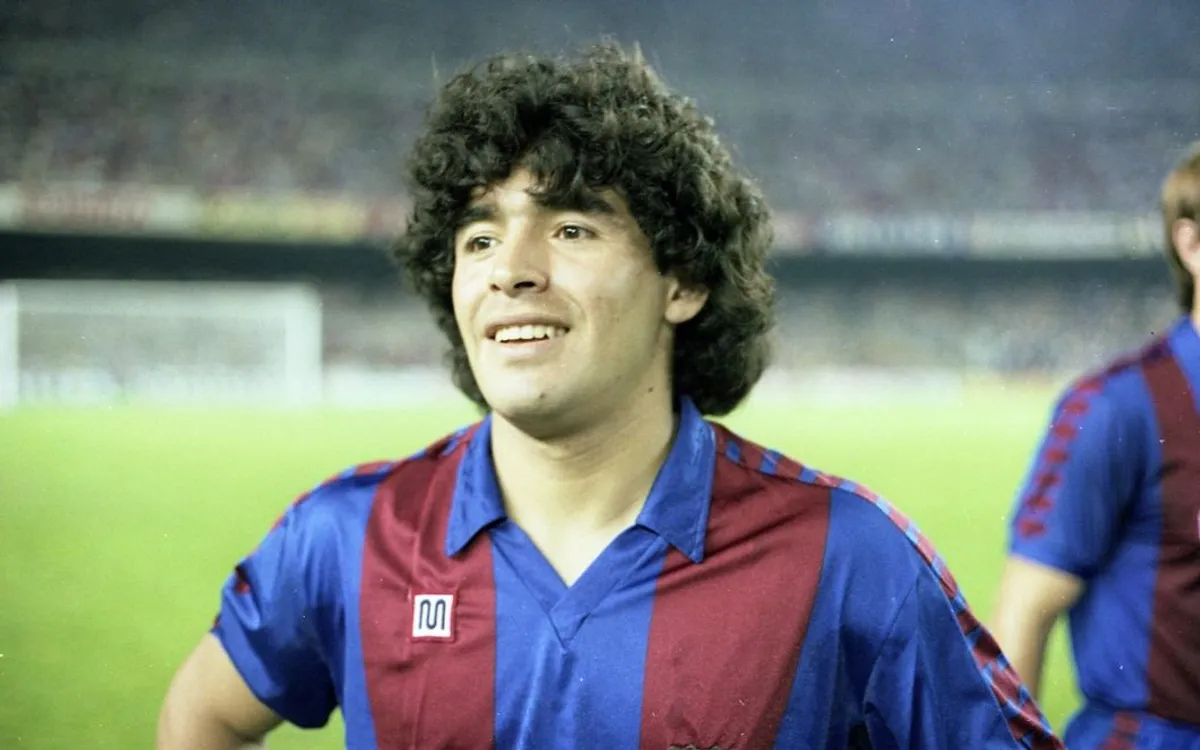
Diego Maradona: The Flamboyant Genius of Football
Diego Armando Maradona, born on October 30, 1960, in Villa Fiorito, Buenos Aires, Argentina, is widely celebrated as one of the greatest footballers in history. Known for his extraordinary talent, controversial persona, and passionate play, Maradona’s life and career left an indelible mark on the world of football.
Maradona grew up in a poor neighborhood, where football was a means of escape and expression. His prodigious talent was evident from a young age, and by the time he was 15, he made his professional debut with Argentinos Juniors. His dribbling skills, vision, and scoring ability quickly made him a standout player.
In 1981, Maradona transferred to Boca Juniors, one of Argentina’s most prestigious clubs, and led them to a league title. His performances attracted the attention of European clubs, and in 1982, he moved to FC Barcelona. Although his time in Spain was marked by injuries and controversies, his talent shone through.
Napoli and Peak of Career
Maradona’s career reached its zenith during his tenure with Napoli, starting in 1984. He transformed the club into a powerhouse, leading them to two Serie A titles (1986-87, 1989-90), a Coppa Italia (1987), and a UEFA Cup (1989). Maradona’s influence on Napoli was profound, and he became a beloved figure in the city, almost a deity to the fans.
International Glory and “Hand of God”
Maradona’s most iconic moment came during the 1986 FIFA World Cup in Mexico. His performance throughout the tournament was extraordinary, particularly in the quarter-final match against England. He scored two of the most famous goals in football history: the controversial “Hand of God” goal, where he used his hand to punch the ball into the net, and the “Goal of the Century,” a mesmerizing solo run past five English defenders. Maradona’s brilliance led Argentina to victory in the tournament, cementing his status as a global football legend.
Later Career and Challenges
After leaving Napoli in 1991, Maradona’s career was marred by controversies and personal struggles, including issues with drug addiction. He played for Sevilla, Newell’s Old Boys, and had a second stint with Boca Juniors before retiring in 1997. Despite his challenges, Maradona remained a revered figure in football.
Post-Retirement and Coaching
Maradona transitioned into coaching, with mixed results. He managed several clubs, including a stint as the head coach of the Argentine national team from 2008 to 2010. His coaching career was characterized by the same passion and unpredictability that marked his playing days.
Legacy and Impact
Diego Maradona’s impact on football transcends his on-field achievements. He was a cultural icon, known for his charisma, rebellious spirit, and connection with fans. Maradona’s life story, filled with triumphs and tribulations, resonated with people worldwide, making him a symbol of football’s beauty and complexity.
Honors and Recognition
Maradona received numerous accolades throughout his career, including being named FIFA Player of the Century (jointly with Pele) and being inducted into the FIFA Hall of Fame. His number 10 jersey became iconic, symbolizing his legacy and influence on the game.
Death and Remembrance
Diego Maradona passed away on November 25, 2020, at the age of 60. His death was met with an outpouring of grief and tributes from around the world. Fans, players, and leaders mourned the loss of a footballing genius whose impact on the sport will be remembered for generations.
Diego Maradona’s life and career were a testament to the heights of human talent and the depths of personal struggle. His legacy as one of the greatest footballers ever is undisputed, and his influence on the game remains profound. Maradona’s story is a reminder of football’s power to inspire, captivate, and connect people across the globe.